
Navigating perimenopause in Traditional Chinese Medicine & Acupuncture.
By Dr. Stephanie Yip
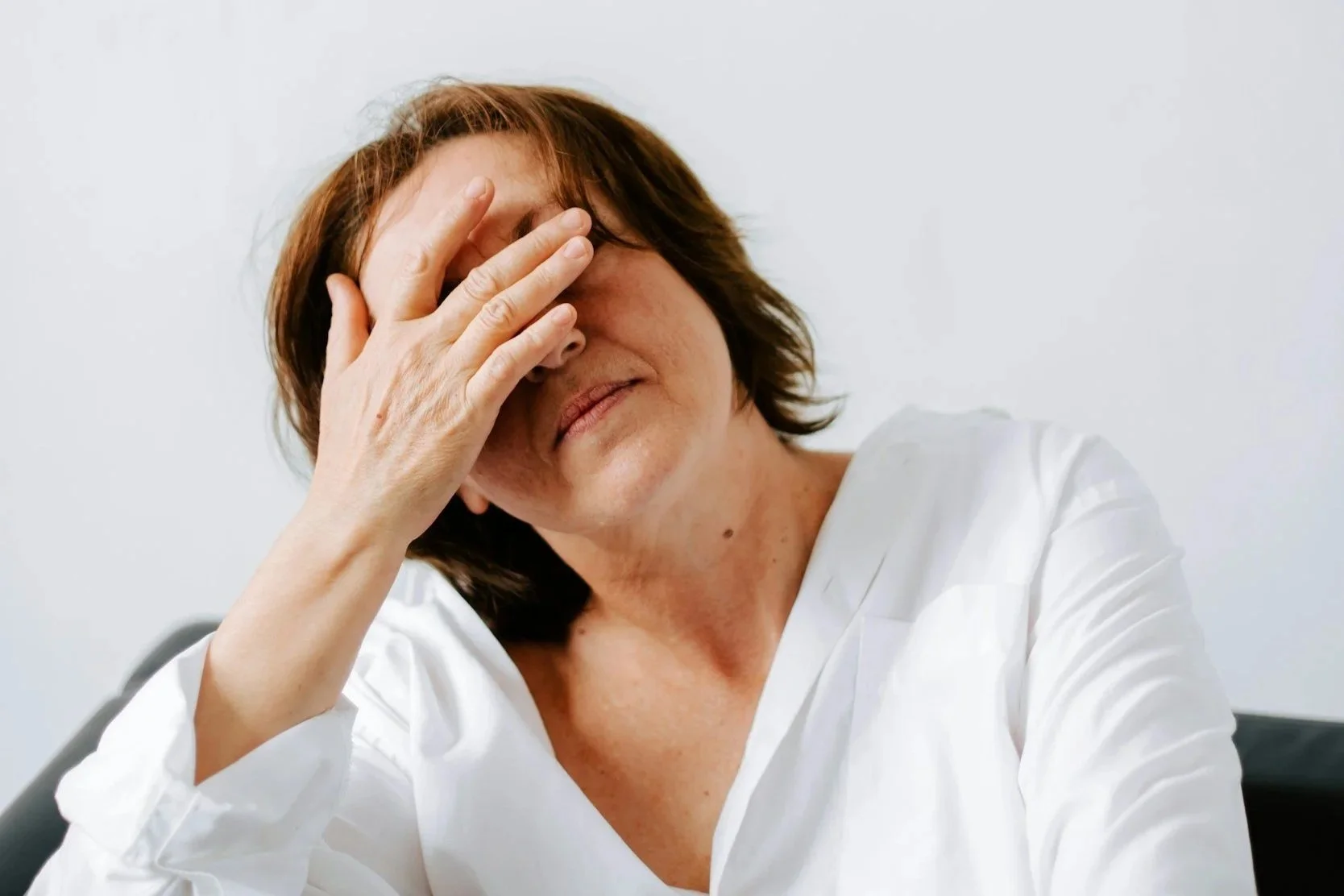
Most women are never told that perimenopause can begin in their late 30s, and sometimes earlier. You’re often still cycling regularly, still fertile, and outwardly things look the same. Internally, though, your body may already be starting to change.
Sleep becomes lighter or disrupted, anxiety appears where it didn’t exist before, PMS intensifies and cycles subtly shift. Energy drops and concentration becomes harder to maintain or foggier.
You may recognize yourself less in your own body and mind.
When you seek answers, bloodwork is often reported as “normal.” And from a conventional perspective, it usually is. But that doesn’t mean nothing is happening. It simply means the tools being used aren’t designed to assess transition, adaptation, or resilience.
Perimenopause is the phase leading up to menopause where estrogen and progesterone rise and fall unevenly as the ovaries begin to function less reliably. It is not a steady decline in hormones. It is a period of fluctuation, often unpredictable and sometimes chaotic. Estrogen and progesterone can rise and fall sharply from month to month as ovulation becomes less consistent. The ovaries are aging, yes, but more importantly, the entire system is being asked to recalibrate in real time.
This process is physiologically normal. What is not inevitable is how disruptive it becomes. When symptoms feel overwhelming, it’s a sign that the body is struggling to adapt to the changing signals, not that something is “wrong” with you.
In Chinese medicine, we view this stage through the lens of systemic balance rather than isolated hormone levels. Perimenopause reflects a gradual shift in the Kidney system, which governs long-term reserves, resilience, and aging. As this foundational energy begins to decline, other systems are required to work harder to maintain equilibrium. Sleep, digestion, mood regulation, and emotional capacity are often the first areas to feel strained.
Rather than dismissing these changes as something to simply tolerate, we look at why your system is having difficulty adjusting. Two women of the same age may both be perimenopausal yet experience entirely different symptoms because the underlying patterns are different. Treatment is never one-size-fits-all and always individualized.
Acupuncture can support this transition because it helps regulate the communication between systems that are under stress during this transition. Research has shown that acupuncture can influence hormone regulation pathways, reduce stress reactivity, improve sleep quality, and significantly reduce vasomotor symptoms such as hot flashes and night sweats, with a very low risk profile. Clinically, these effects are seen consistently. Women often report sleeping more deeply, experiencing less severe PMS, feeling calmer and clearer mentally, and noticing greater stability in their cycles and energy.
What is often missed in conversations about perimenopause is the emotional impact. Many women describe feeling less tolerant, less flexible, and less capable of carrying the mental and
emotional load they once managed effortlessly. This is not a personal failing. In Chinese medicine, this reflects how well the deeper reserves of the body can support the Liver, Heart, and Spleen systems under ongoing modern stress. When those reserves are taxed, emotional resilience naturally declines.
Supporting your body in your late 30s and early 40s matters more than most women realize. Early intervention often leads to a smoother menopausal transition, fewer severe symptoms later, and better long-term stability in mood, sleep, and overall vitality. This is proactive medicine, not reactionary care.
Perimenopause does not mean you are broken, and it does not signal the end of your best years. It is a developmental phase, and like any transition, it requires a different kind of support. Chinese medicine does not attempt to silence symptoms or override the body’s signals. Instead, it works with your system to improve adaptability and restore balance.
When that happens, this phase of life can feel not only manageable, but deeply steady and clear.